
Poetry needs structure and freedom in equal measure
We built this platform because writing poetry requires both technical knowledge and creative confidence. Since 2019, we've been helping people understand rhythm, form, and language while giving them space to find their own voice.

How this platform started
In 2019, three instructors from different backgrounds—academic poetry, creative writing workshops, and digital education—realized they were all frustrated with the same thing. Most poetry education online was either too rigid or too vague. Students either got bogged down in technical rules without understanding why they mattered, or they were told to just express themselves without any real guidance on craft.
We wanted something that taught the actual mechanics of poetry—meter, line breaks, imagery, syntax—but did it in a way that helped people write, not just analyze. The platform started small, with a few modules on sonnet structure and free verse technique. What surprised us was how much people wanted the interactive elements. They didn't just want to read about poetry; they wanted immediate feedback on their line breaks, their rhythm choices, their word selection.
So we built that feedback into the platform. Each exercise includes specific markers for what's working and what isn't. Not vague encouragement, but concrete observations about technical choices and their effects.
The gamified elements came later, almost by accident. We noticed students would work through challenging material if they could see their progress clearly mapped out. We added achievement markers for mastering specific techniques—writing a functional villanelle, using enjambment effectively, controlling caesura. These aren't arbitrary points; they correspond to real poetic skills that take time to develop.
Now the platform covers everything from traditional forms like sonnets and sestinas to contemporary approaches like prose poetry and conceptual constraints. Each course is structured around specific techniques with examples from published poets and immediate practice opportunities. Students work through real challenges: how to create momentum in a long poem, how to balance sound and sense, how to revise effectively.
What keeps us focused is simple. We're not here to make everyone a great poet—that's not something a course can promise. We're here to teach the craft elements that give people more control over what they're trying to say. Understanding how line breaks affect meaning, how rhythm creates emphasis, how syntax shapes a reader's experience. Those are learnable skills.
Who develops the curriculum
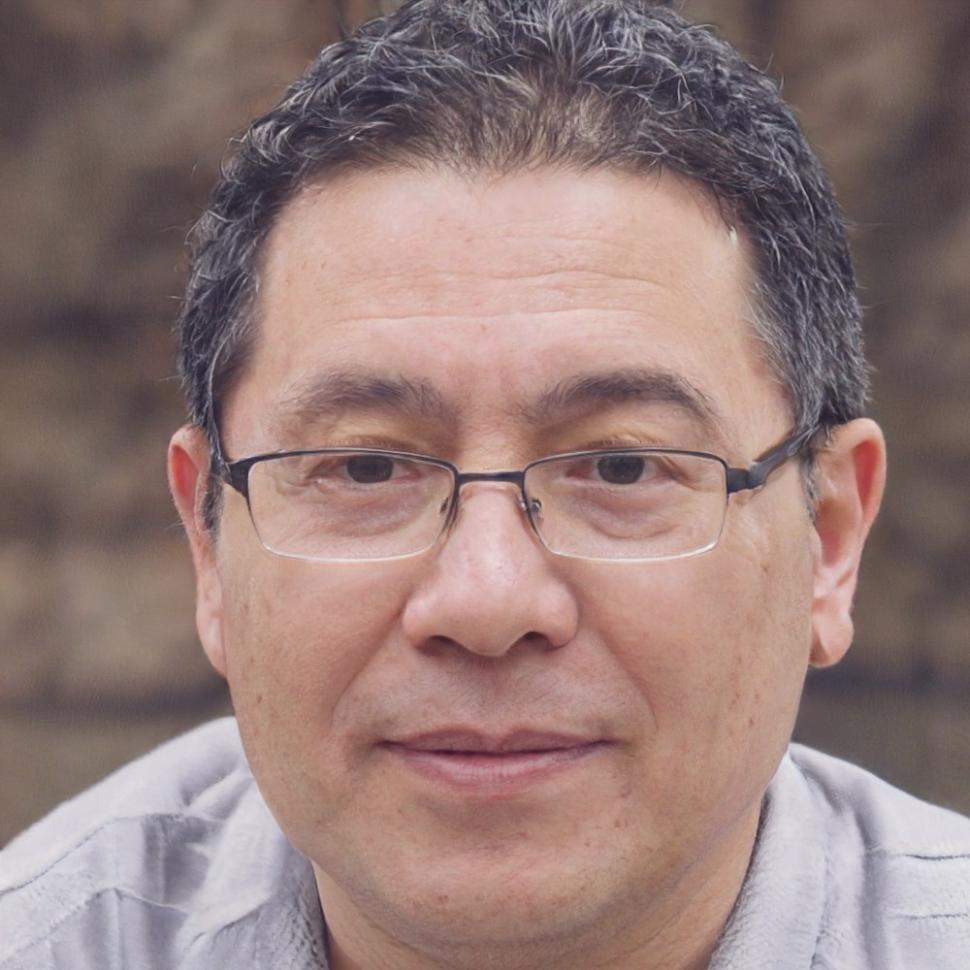
Teodor Nieminen
Senior Curriculum Developer
Teodor focuses on structured verse forms and contemporary free verse techniques. He spent twelve years teaching prosody at university level before joining our team to develop interactive exercises for meter and rhythm analysis.
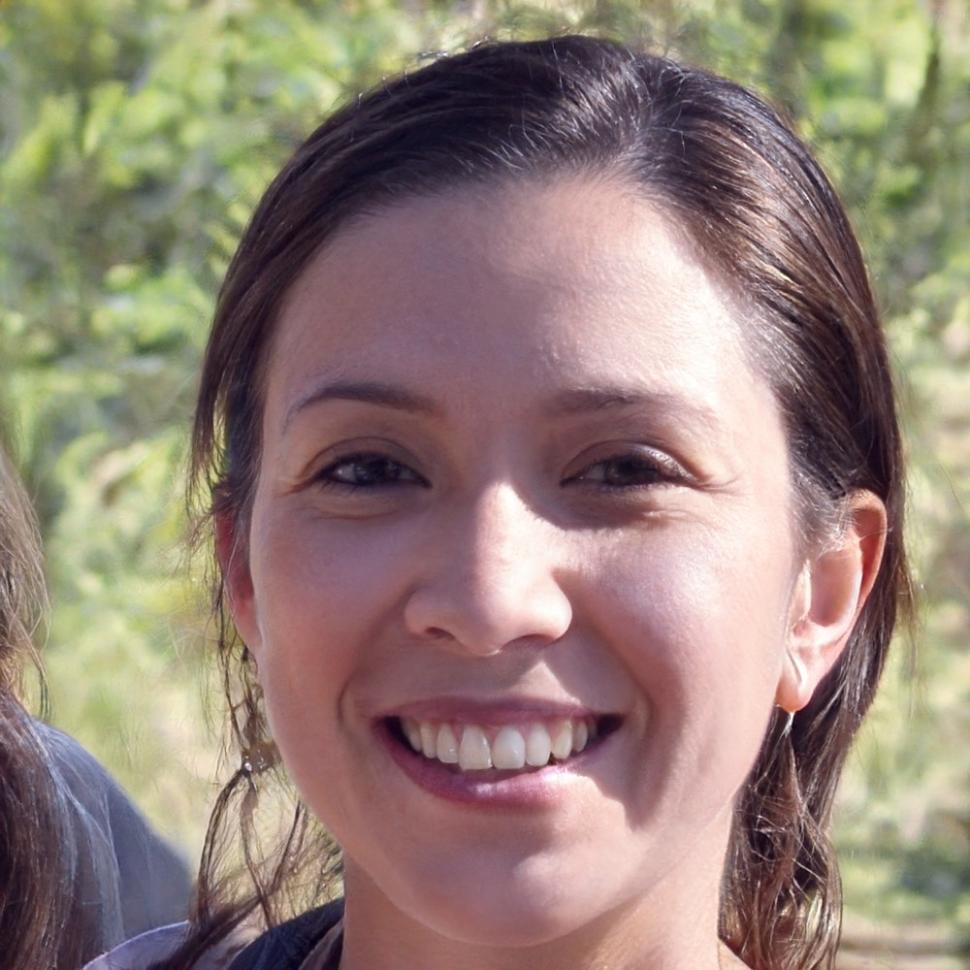
Livia Strand
Lead Instructor
Livia specializes in narrative poetry and experimental forms. She designs the revision modules and feedback systems, drawing from her background in creative writing pedagogy and fifteen years of workshop facilitation.
What guides our approach
Technical clarity
We explain poetic techniques in precise terms. When we discuss enjambment or caesura, we show exactly how they function and why a poet might choose them. No mystification, just clear mechanical explanations.
Immediate practice
Every concept includes writing exercises with specific constraints. Learn about volta in sonnets, then write one. Study line break strategies, then apply them. Theory matters only when you can use it.
Specific feedback
Our system identifies technical issues in student work. Not just encouragement, but concrete observations about rhythm problems, unclear imagery, or structural choices that aren't serving the poem.
Platform development timeline
Platform founded with core modules on form and meter
Interactive feedback system launched for real-time analysis
Advanced courses added covering experimental techniques
Comprehensive revision workshop series introduced
What students actually practice
The courses break down into specific technical skills. In the introductory modules, students work on basic prosody—understanding how stressed and unstressed syllables create rhythm, how line length affects pacing, how syntax can create or release tension. These aren't abstract concepts. Each lesson includes poems that demonstrate the technique, followed by exercises where students apply it to their own work.
The intermediate courses get into more complex territory. How to sustain momentum across a longer poem. How to use white space as a compositional element. How to balance sonic patterns with semantic content without letting one dominate. Students work through multiple drafts of the same piece, seeing how different technical choices change the poem's effect.
Advanced modules cover specialized forms and experimental approaches. Writing a functional ghazal requires understanding both its historical context and its formal constraints. Creating effective conceptual constraints means knowing what limitations will generate interesting language rather than just frustration.
The revision workshops are where many students spend the most time. Revision isn't about fixing errors; it's about recognizing when a poem's structure doesn't match its intended effect and knowing what tools might address that. We teach specific revision strategies: tightening through compression, expanding through repetition, reshaping through relineation, refocusing through image selection.
The platform's feedback system highlights technical issues as students write. If a line break undermines syntactic momentum, the system flags it. If a metaphor shifts registers awkwardly, that gets noted. If rhythm becomes monotonous, students see exactly where. This isn't subjective critique; it's mechanical analysis of how the poem's parts are functioning.
We track progress through demonstrated competencies, not course completion. Students advance by showing they can use specific techniques effectively. Writing ten successful sonnets means something. Revising a weak poem into a stronger one through deliberate technical choices means something. Those are the markers we use.