
Structured Poetry Writing Program
This program breaks down the fundamentals of poetry composition into clear stages. You'll work with specific forms, examine meter and rhythm patterns, and develop techniques for revision. Each module includes practical exercises and examples from established poets. The curriculum covers narrative verse, lyric forms, and experimental approaches. By the end, you'll have a portfolio of polished work and a systematic method for continued development.

Curriculum Overview
The program consists of six modules that progressively build your understanding of poetic craft. Each module runs two weeks and includes reading assignments, writing exercises, and peer review sessions. We examine both traditional and contemporary approaches to give you a complete foundation in the art form.
Fundamentals of Line and Stanza
We start with the building blocks of poetry. You'll learn how line breaks create meaning and how stanza forms organize ideas.
- Enjambment and end-stopped lines
- Stanza forms from couplets to sestets
- White space as compositional tool
- Reading for structural choices
Sound Patterns and Musicality
This module explores the sonic dimension of poetry through meter, rhyme, and sound devices.
- Metrical patterns and variations
- Rhyme schemes and alternatives
- Alliteration, assonance, consonance
- Free verse rhythm techniques
Imagery and Sensory Language
Learn to construct vivid, concrete images that engage the reader's senses and create emotional resonance.
- Concrete versus abstract diction
- Metaphor and simile construction
- Multi-sensory description
- Symbol development in poetry
Traditional Forms and Structures
Study and practice established poetic forms from sonnet to villanelle, understanding how constraints can generate creativity.
- Sonnet variations and traditions
- Villanelle, sestina, pantoum
- Haiku and tanka principles
- Ghazal and other global forms
Voice, Tone, and Perspective
Develop your unique voice while learning to modulate tone and employ various narrative perspectives effectively.
- First, second, third person in poetry
- Persona poems and dramatic monologue
- Tonal consistency and variation
- Finding authentic voice
Revision and Portfolio Development
The final module focuses on systematic revision techniques and assembling a cohesive body of work for submission or publication.
- Multi-stage revision process
- Self-editing strategies
- Organizing collections thematically
- Submission preparation basics
Learn From Experienced Poets
Our instructors are published poets with teaching experience at universities and workshops. They provide detailed feedback on your work and guide you through the technical aspects of craft. Each brings their own specialty areas while maintaining a practical, skill-focused approach to instruction.
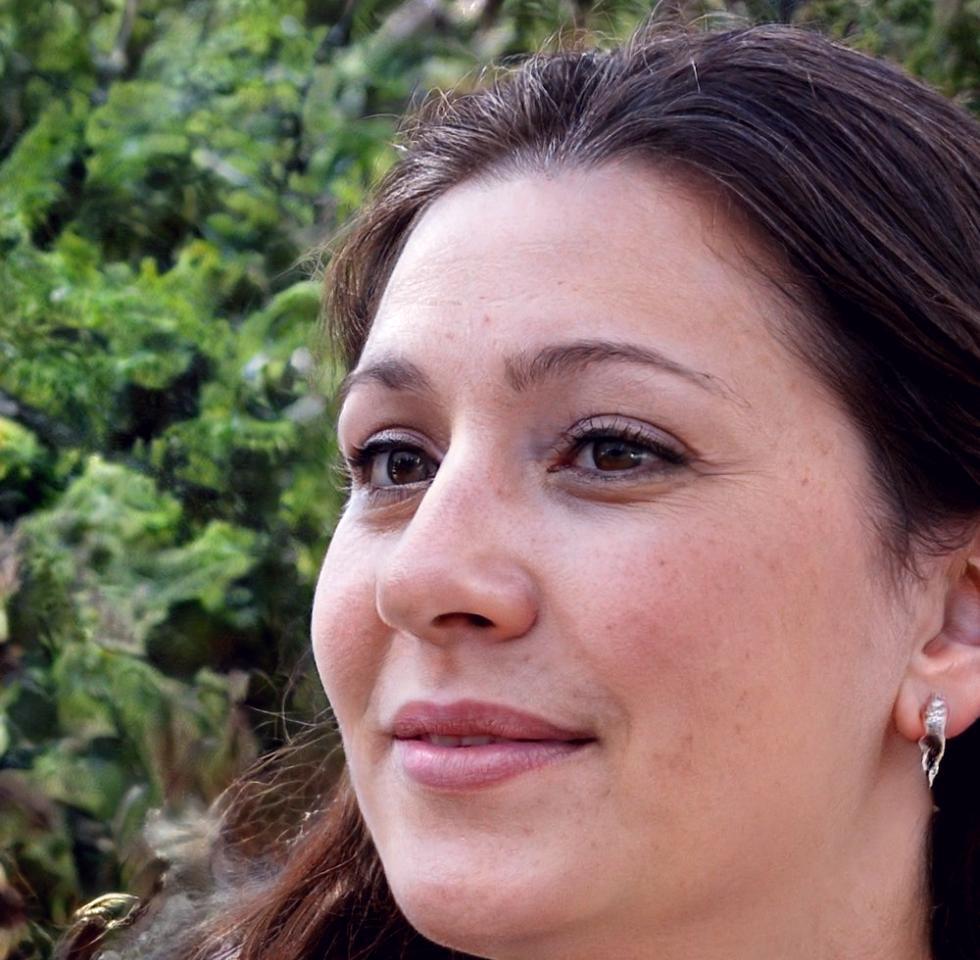
Livia Bergström
Formalist Poetry SpecialistLivia focuses on traditional forms and meter. Her collections have appeared in three national journals. She teaches sonnet construction and metrical analysis with particular attention to how historical forms adapt to contemporary subjects.
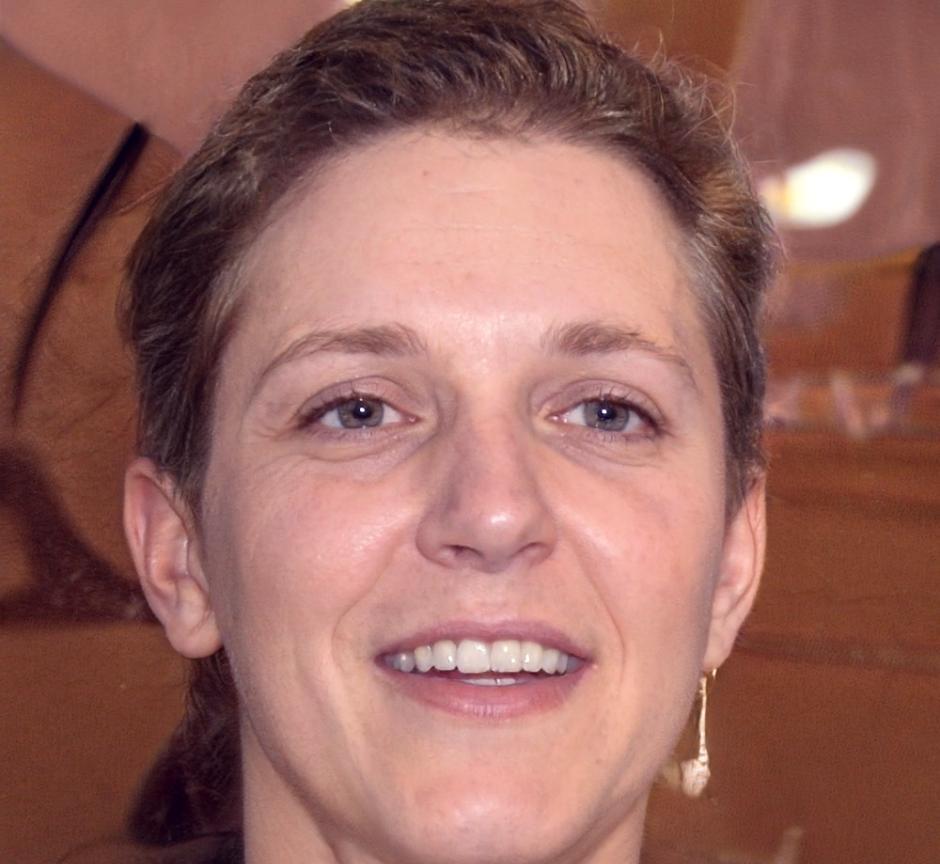
Saskia Voss
Experimental Forms InstructorSaskia's work explores the boundaries between poetry and visual art. She's published two chapbooks and teaches experimental techniques, concrete poetry, and innovative approaches to line and space on the page.
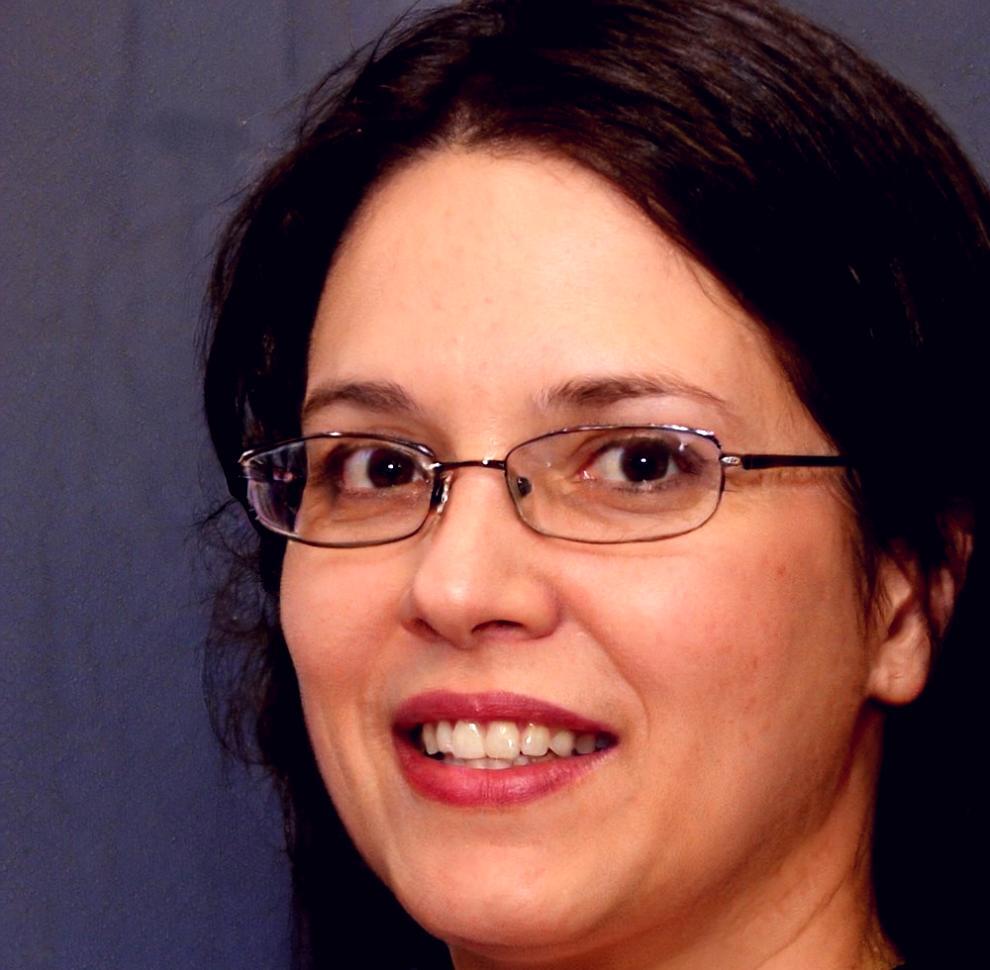
Darina Kovalenko
Narrative and Lyric PoetryDarina specializes in narrative poetry and persona work. Her debut collection won a regional prize in 2023. She guides students through voice development and teaches how to sustain narrative across longer poetic sequences.
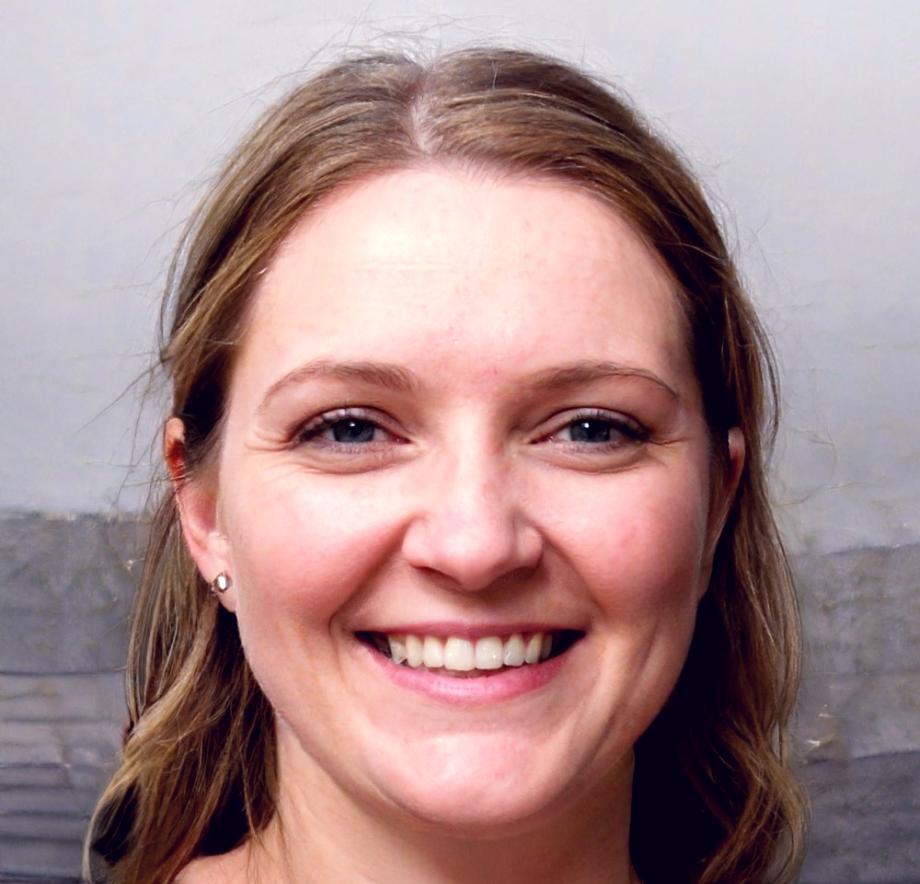
Iryna Shevchenko
Revision and Craft AnalysisIryna teaches the revision process and close reading techniques. She's an editor for a literary magazine and brings that editorial perspective to helping students refine their work through multiple drafts and targeted improvements.
Program Details and Enrollment
The program runs for twelve weeks with two live sessions per week. Sessions include lecture components, workshop discussions, and peer review. You'll complete weekly writing assignments and receive individual feedback on your work. Class size is limited to twelve participants to ensure adequate attention to each student's development.